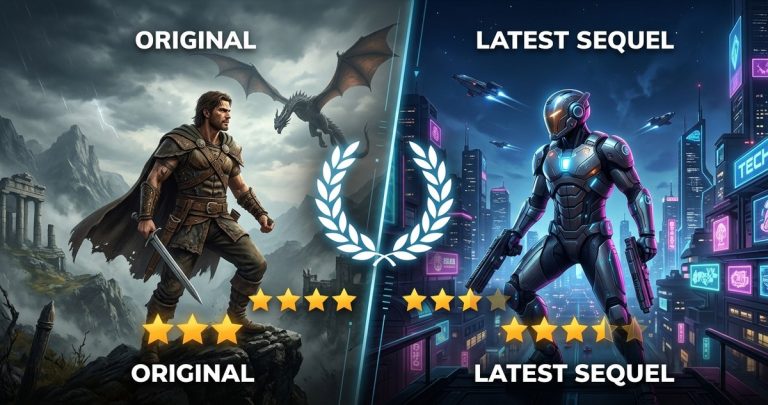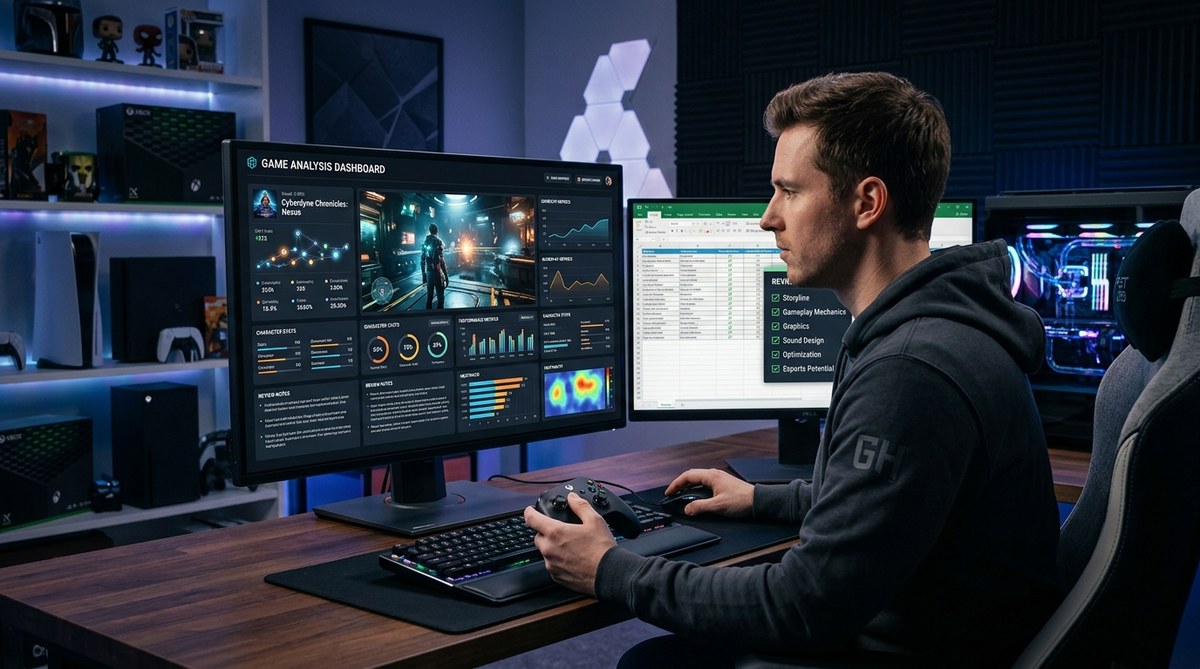
Diving into new game releases can be both exciting and overwhelming. With so many titles dropping each season, knowing how to analyze them thoroughly helps serious gamers decide which games are worth their time and money. Whether you’re hunting for the next big hit or hunting through indie gems, having a solid approach ensures you make informed choices that boost your gaming experience.
A strategic review process involves understanding game mechanics, analyzing developer history, examining community feedback, and testing gameplay demos. This approach helps serious gamers predict a game’s potential and avoid wasting time on titles that may not meet their expectations.
The importance of a structured approach to analyzing new game releases
For dedicated gamers, simply waiting for reviews or gameplay videos isn’t enough. You need an analytical mindset to evaluate a game’s true potential. This process involves looking beyond surface impressions and digging into details like gameplay mechanics, technical performance, story depth, and developer reputation. Doing so allows you to make confident decisions and stay ahead of trends.
How to systematically analyze new game releases
Here are practical steps to help you develop a reliable method:
-
Research the developer and publisher
Investigate their past titles, reputation, and community feedback. Developers with a history of quality releases tend to produce reliable new titles. For example, if a game is from a studio known for innovative gameplay or strong storytelling, it’s a good sign. -
Examine trailers and gameplay demos
Watch multiple trailers and gameplay videos critically. Pay attention to graphics quality, game mechanics, and user interface. Are the mechanics smooth? Do the visuals align with what you enjoy? This helps gauge whether the game aligns with your preferences. -
Read detailed reviews and community opinions
Seek out reviews from trusted sources and forums. Look for patterns in feedback—are players frustrated with bugs or praising certain features? Platforms like Metacritic or dedicated gaming forums can provide comprehensive insights. -
Test demos or beta versions
Whenever possible, try out demos or participate in beta testing. This firsthand experience reveals how the game performs on your setup and whether the mechanics are engaging. Remember, a demo can expose issues like lag or confusing controls early. -
Analyze the game’s technical performance
Evaluate how well the game runs across different hardware setups. Check for optimization issues, frame rate stability, and load times. Technical smoothness directly impacts enjoyment, especially for competitive or fast-paced titles. -
Assess replayability and longevity
Consider if the game offers enough content and replay value. Are there multiple endings, side quests, or multiplayer options? This determines if a game will keep you engaged long-term. -
Review post-launch support plans
Look into the developer’s commitment to updates, patches, and community engagement. Solid support can turn an average game into a lasting favorite.
Tools and techniques to aid your analysis
-
Comparison charts
Use tables to compare critical aspects like gameplay features, system requirements, and user ratings across titles. -
Community polls and feedback
Engage with online communities on Reddit or Discord to gather honest opinions about upcoming releases. -
Performance analytics software
Tools like MSI Afterburner can help you monitor real-time game performance, giving insight into how well a game runs on your hardware.
| Technique | What it does | Common mistake |
|---|---|---|
| Watching gameplay videos | Understand mechanics and graphics | Relying solely on trailers |
| Reading multiple reviews | Gain balanced perspectives | Ignoring community feedback |
| Testing demos | Experience gameplay firsthand | Overlooking technical issues |
| Comparing specs | Match game demands with hardware | Assuming all hardware performs equally |
“Always look for consistency in reviews and community feedback. If multiple sources highlight bugs or performance issues, it’s worth reconsidering your purchase.” — Gaming tech expert
Recognizing pitfalls in game analysis
While assessing a game, be aware of common errors:
- Overreliance on trailers — They are often polished and do not reflect actual gameplay.
- Ignoring hardware limitations — Not considering if your setup can handle the game’s requirements.
- Focusing only on graphics — Gameplay mechanics and story matter just as much.
- Skipping community feedback — Real user experiences can reveal issues hidden in official reviews.
Staying ahead with ongoing analysis
Analyzing new game releases isn’t a one-and-done task. As launch day approaches, continue monitoring forums and developer updates. Post-launch patches can dramatically change gameplay quality. Keep an eye on updates and community tips to adapt your expectations and strategies accordingly.
Final thoughts on mastering game analysis
Developing a consistent method for analyzing new game releases empowers you to make smarter choices. It helps you invest your gaming time in titles that truly suit your style and interests. Remember, the goal is to enjoy your gaming journey without frustration or disappointment. Take the time to research, test, and listen to community voices.
By applying these strategies, you’ll stay well-informed and ready to jump into the best titles as they come out. Happy gaming and stay curious!
Turning insights into gaming victories
Analyzing new game releases with a clear, methodical approach ensures you get the most out of each title. Keep refining your process, and you’ll always be a step ahead. Your next favorite game might just be a well-analyzed release waiting to impress you. Apply these tips, and enjoy the thrill of discovering gaming gems that match your passion.
About the Author