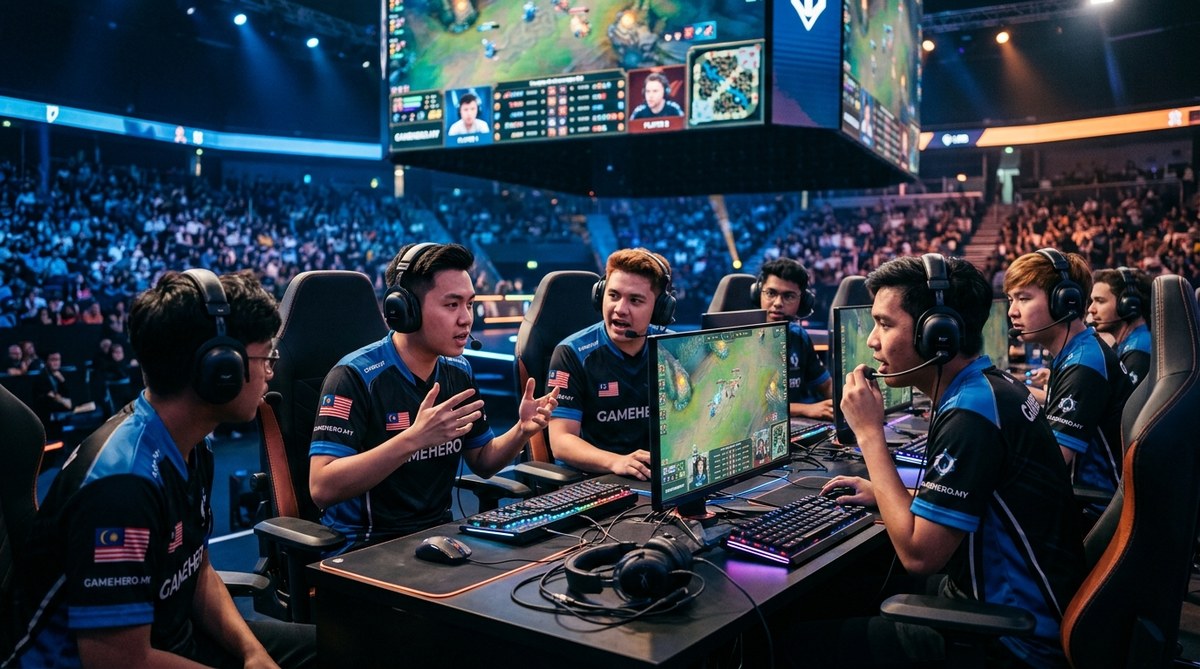
Effective communication is the backbone of any winning esports team. Whether you’re aiming for that clutch victory or trying to execute complex strategies seamlessly, how your team interacts can make or break your tournament results. Good communication isn’t just about talking; it’s about clarity, trust, and coordination. This guide will walk you through proven esports team communication strategies to elevate your game and turn your squad into a synchronized winning machine.
Effective esports team communication enhances coordination, reduces errors, and boosts confidence during matches. Consistent practice, clear callouts, and the right tools foster team trust and lead to better tournament results.
Why Communication Is Critical in Esports
In the fast-paced world of competitive gaming, split-second decisions and precise teamwork determine the outcome. Teams that communicate well can adapt quickly, share vital information, and maintain morale under pressure. Communication acts like the nervous system of your squad, relaying critical updates and strategic plans instantly.
Without clear communication, even the most skilled players can become disorganized. Misinformation, ambiguous callouts, or lack of listening can lead to missed opportunities or costly mistakes. When teams master communication strategies, they create a synergy that can outplay and outthink opponents.
Core Elements of Effective Esports Communication Strategies
Developing solid communication tactics involves a mix of technology, team culture, and practice. Here’s what you need to focus on:
- Clarity and conciseness
- Proper callouts
- Positive reinforcement
- Active listening
- Consistent routines and tools
Let’s dive into each element.
1. Use Clear and Concise Language
Ambiguous phrases or overly complicated instructions slow down gameplay. Instead, adopt a straightforward style. For example, saying “Enemy pushed mid” is more effective than “They’re coming from somewhere.” Use specific location names, callout codes, or map landmarks familiar to everyone.
2. Implement Proper Callouts
Callouts are the backbone of fast communication. They should be easy to understand and standardized across the team. Create a shared vocabulary for key locations, enemy positions, and actions. For instance, in games like Counter-Strike, teams often agree on terms like “A site,” “B window,” or “Long A.”
3. Foster a Positive and Supportive Atmosphere
Encourage teammates with positive feedback. Constructive criticism delivered respectfully improves confidence and reduces tension. Remember, a team that feels supported communicates better and stays motivated through tough matches.
4. Practice Active Listening
Listening is just as vital as speaking. Pay attention to teammates’ callouts and confirm understanding. This reduces miscommunication. For example, if a teammate says “Enemy spotted on B,” respond with “Got it, rotating to B” to show awareness.
5. Use a Reliable Communication System
Choose a communication platform suited to your team’s needs. Voice chat is standard, but additional tools like push-to-talk or dedicated esports comms systems can enhance clarity. Test equipment regularly—poor audio quality hampers performance.
Building a Communication Routine
Consistency is key. Establishing a routine ensures everyone knows what to do during matches. Here’s a step-by-step process:
- Set shared vocabulary for locations and enemy actions.
- Designate roles for communication—who calls out what.
- Create a communication plan outlining when and how to escalate information.
- Practice regularly in scrims and casual games.
- Review and adapt your communication strategies after each tournament.
Practical Processes to Improve Team Communication
To embed these strategies into your team, follow this practical process:
- Audit your current communication: Identify gaps, misunderstandings, or delays.
- Develop standard callout lists: Use maps and game scenarios.
- Train with simulated scenarios: Practice quick decision-making and callouts.
- Record and review matches: Spot communication issues and correct them.
- Adjust tools and routines: Incorporate new tech or methods as needed.
Common Techniques and Mistakes in Esports Communication
| Techniques | Mistakes to Avoid |
|---|---|
| Using standardized callouts | Using ambiguous or inconsistent language |
| Confirming understanding | Ignoring teammate feedback |
| Keeping communication calm | Yelling or blaming during high-pressure moments |
| Assigning roles for calling | Overloading one player with all calls |
| Regular practice and review | Neglecting to adapt strategies over time |
Expert Advice on Team Communication
“The best teams are those that communicate with purpose and listen with intent. It’s not just about who talks the most, but who listens the best that wins tournaments.” — esports coach Jennifer Lee
Common Pitfalls and How to Avoid Them
In the heat of competition, missteps happen. Here are frequent mistakes and how to prevent them:
- Overloading voice channels with chatter: Keep communication focused. Use callout hierarchies.
- Ignoring non-verbal cues: Develop team signals or visual cues for quick info.
- Lack of routine practice: Schedule regular sessions to reinforce communication habits.
- Technical issues: Invest in quality headsets and test your setup beforehand.
Leveraging Technology for Better Communication
Modern tools can significantly enhance your team’s coordination. Consider:
- Dedicated esports comms platforms like Discord with custom servers
- Push-to-talk systems to prevent background noise
- Overlay software for real-time info sharing
- Replay analysis tools for reviewing communication during matches
Final Tips for Perfecting Your Team’s Communication
- Keep instructions short and precise
- Use consistent terminology
- Celebrate good communication habits
- Review matches for communication errors
- Stay positive and supportive
The Power of Practice and Trust
Mastering communication takes time. Regular practice under tournament conditions helps build trust and refine routines. Remember, even small improvements make a big difference in high-stakes competitions.
Final Words: Apply These Strategies to Win
Improving your esports team’s communication isn’t about overnight fixes. It’s a continuous process of refinement, practice, and adaptation. Start implementing these strategies today, and watch your team’s coordination and results improve. Clear, confident communication can turn your squad into a well-oiled machine ready for any tournament challenge.
About the Author