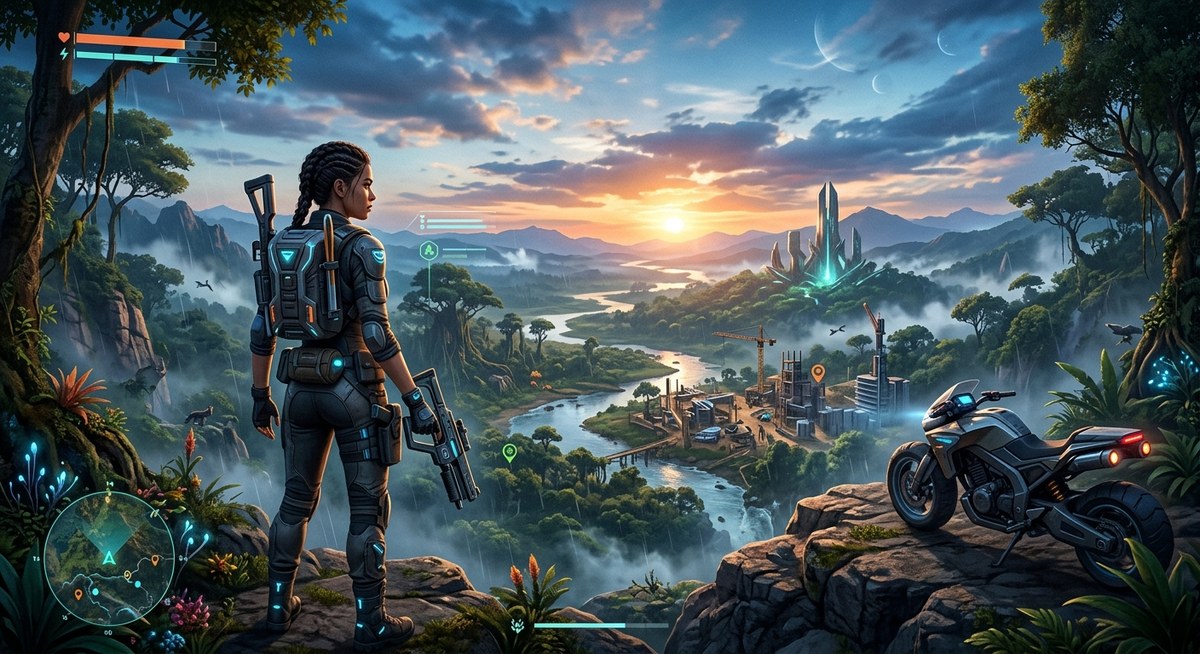
The survival genre has felt a little stale lately. You know the formula. Spawn on a beach. Punch a tree. Build a box. Fight the same five enemies until you get bored. But every few years, a title comes along that shakes the foundation. In 2026, that title is here. It is not just another map with hunger bars and crafting menus. It is a living, breathing ecosystem that punishes old habits and rewards genuine adaptation. If you have been waiting for a reason to get excited about survival games again, this is it.
This 2026 open-world survival game discards the tired “tiered crafting” model for a dynamic ecosystem where your choices have permanent consequences. The world reacts to you, not the other way around. With a fully simulated food chain, weather that alters terrain, and NPC tribes that remember your actions, it sets a new standard for immersion and replayability that every future survival title will have to match.
Why the Old Survival Formula Broke
We need to talk about the problem first. Most survival games follow a predictable ladder. You start weak, gather resources, build a base, and eventually become so powerful that the world stops being a threat. The challenge evaporates. The tension dies. You are left with a empty map and a chest full of gear you will never use.
That cycle is broken. Players want a world that stays dangerous. They want a reason to keep moving, keep adapting, and keep making hard choices. The 2026 open-world survival game we are talking about understands this completely. It does not let you settle into a comfort zone. It forces you to stay on your toes from the first hour to the hundredth.
The Core Innovation That Changes Everything
The biggest shift here is the removal of static biomes. In most games, the forest is always the forest. The desert is always the desert. You learn where to find iron, where to find water, and you build a route. That is routine, not survival.
This game uses a system called “Dynamic Terrain Succession.” It means the environment evolves over time based on player activity and natural cycles. If you cut down too many trees in one area, the soil erodes. The animals leave. A different type of predator moves in. The weather patterns shift because the tree cover is gone. You do not just harvest resources. You reshape the land itself.
How the Ecosystem Actually Works
Let us break down the core systems that make this world feel alive.
- Predator-Prey Simulation: Every animal has a real diet and migration path. Deer follow water sources. Wolves follow the deer. If you kill all the deer, the wolves starve or they come looking for you.
- Weather Cascades: A dry season can dry up a river. That river was your main water source. Now you have to travel further, which exposes you to new threats.
- Tribal AI Memory: NPC groups remember your face. If you steal from one camp, they will hunt you. If you help them, they will share resources. They also fight each other over territory, and you can tip the balance.
- Structural Decay: Your base does not just sit there forever. Wood rots in the rain. Metal rusts. Stone cracks in the cold. You have to maintain everything, or nature takes it back.
This is not just window dressing. These systems interact. A drought can cause a war between two tribes over the last clean lake. You can choose to mediate, fight for one side, or slip in and steal from both while they are distracted.
A Step-by-Step Guide to Your First 90 Minutes
If you jump into this game cold, you might get overwhelmed. Here is a practical path to get you through the early game without dying to a pack of starving wolves.
- Scout the Water: Do not build anything yet. Climb the nearest high point and look for a river or lake. Water is life. Everything else comes second.
- Gather Flint and Branches: You need a basic knife and a fire starter. Do not waste time on a full base. A simple shelter under a rock overhang will do for the first night.
- Observe Animal Patterns: Watch where the deer graze. Watch where the predators patrol. Mark these spots on your map. You will need to avoid them early on.
- Find a Secondary Resource: Look for clay or salt. These are essential for preserving food later. Do not ignore them just because you are full right now.
- Locate a Neutral Tribe: Find a camp that does not immediately attack. Trade a piece of raw meat for basic intel about the region. They will tell you where the dangerous zones are.
- Build a Temporary Cache: Dig a small pit near your water source. Line it with leaves. Store extra food and tools there. Do not carry everything on your back.
This approach keeps you mobile and informed. The biggest mistake new players make is building a giant base on day one. That base becomes a target. Stay lean until you understand the local ecosystem.
Common Mistakes That Get You Killed
The learning curve is real. Here are the most frequent errors players make and the smarter way to handle each situation.
| The Mistake | Why It Hurts You | The Better Approach |
|---|---|---|
| Building in the open | Predators and rival tribes spot you easily. You have no escape route. | Build under cliffs, inside dense forests, or on small islands. Use natural cover. |
| Overhunting one species | You collapse the local food chain. The predators turn on you. | Hunt sparingly. Rotate your hunting grounds. Leave breeding pairs alive. |
| Hoarding resources | You attract thieves. You also slow yourself down with heavy inventory. | Store only what you need for the next 48 hours. Cache the rest in hidden spots. |
| Ignoring the weather | A storm can flood your base or freeze you to death. | Watch the sky. Build drainage ditches. Always have a backup shelter. |
| Trusting every NPC | Some tribes are friendly until you turn your back. | Watch their body language. If they surround you, run. Never turn your back on a stranger. |
“The single most important skill in this game is reading the environment. If you see vultures circling, something died nearby. That could be a free meal or a trap. If the birds go silent, a predator is close. The world tells you everything if you stop and look.” A veteran player from the early access community shared that tip, and it has saved my run more than once.
What This Means for the Genre
This 2026 open-world survival game does something rare. It makes you feel small again. Not in a frustrating way, but in a way that makes every victory matter. When you finally establish a stable camp after three failed attempts, it feels earned. When you broker peace between two warring tribes, it feels like a real diplomatic win.
Other developers are already taking notes. The days of static maps and predictable AI are numbered. We are moving toward worlds that breathe, change, and challenge us in new ways every session. If you want to see where the genre is heading, this is the blueprint.
For a broader look at what is coming, check out our list of top 10 upcoming RPGs that will redefine gaming in 2026. And if you want to make sure your rig can handle these new worlds, we have a guide on how to optimize your gaming setup for maximum performance.
The Future of Survival Is Unforgiving
We are past the point where a new coat of paint on the same mechanics is enough. Players are smarter. They want systems that respect their intelligence and reward their curiosity. This game delivers that. It asks you to learn, adapt, and respect the world you are in. If you try to brute force your way through, you will fail. If you pay attention, you will have one of the most memorable gaming experiences of the year.
So go in with an open mind. Forget everything you know about crafting trees and base towers. Let the world teach you. And when you finally survive your first brutal winter, you will understand why this is the game that changes the genre.
About the Author