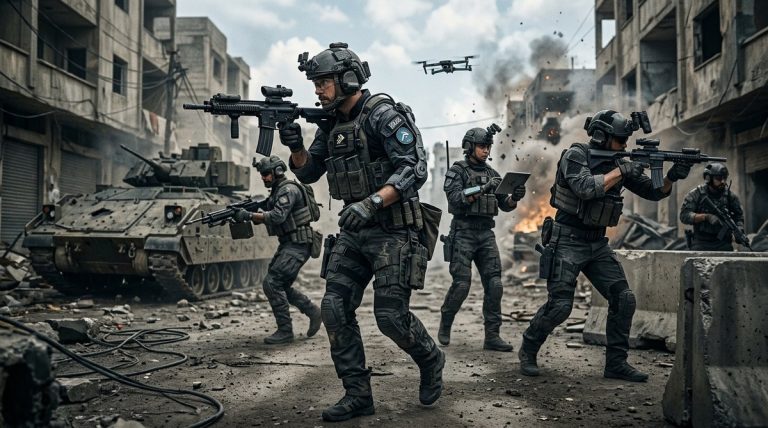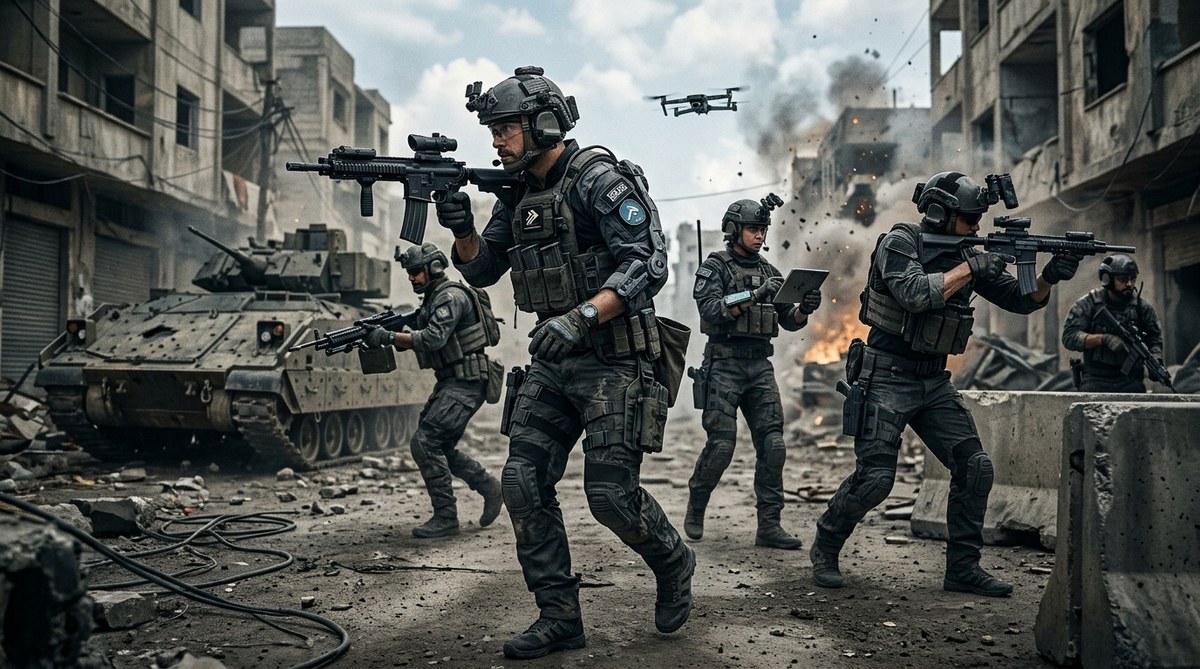
You have played a lot of tactical shooters. You know the drill. You pick a class, stick with your squad, and try to outflank the enemy. Most games reward individual aim over team coordination. The genre has felt stuck for years. That changes in 2026. A new title is turning squad based combat on its head. It does not just ask you to shoot well. It forces you to think like a real leader. Every move your squad makes has weight. Every decision can turn a firefight into a disaster or a decisive victory. This is not a minor update. This is a reinvention of how squads work in a tactical shooter.
This 2026 tactical shooter reinvents squad based combat by replacing rigid classes with a dynamic role system. Your squad shares a single resource pool for abilities and ammo, forcing real teamwork. The game also introduces a trust mechanic that affects AI squadmate behavior. It is a must-watch title for anyone who wants deeper, more strategic firefights.
Why Squad Based Combat Needed a Refresh
Most tactical shooters treat squads like a collection of solo players. You have a sniper, a breacher, and a medic. Each person does their own thing. Communication is optional. The game rewards you for kills, not for covering your teammate. That design worked in 2015. It feels outdated now.
The new 2026 tactical shooter throws that model away. It introduces a shared resource system. Your squad has one pool of stamina, one pool of special ability charges, and a single ammo reserve. If the sniper uses too much ammo, the breacher runs dry. If the medic spams healing abilities, nobody can use a flashbang. This creates tension. You must decide together how to spend limited resources. It is not about who gets the most kills. It is about who manages the squad best.
The Core Mechanic That Changes Everything
The heart of this game is the Command Point system. Every squad member starts with zero Command Points. You earn them by completing objectives, not by getting kills. You spend them to give orders. Orders are not suggestions. They are direct commands that change how AI squadmates behave.
Here is how it works in practice:
- You spot an enemy position. You spend one Command Point to issue a “suppressive fire” order. Your AI teammate locks down that angle, forcing enemies to stay behind cover.
- You spend two Command Points to call a “coordinated push.” All squad members move together to a marked location, firing as they advance.
- You spend three Command Points to trigger a “tactical breach.” Your squad clears a room with synchronized entries and pre-placed grenades.
Without Command Points, your squad acts like standard AI. They take cover and return fire, but they do not execute complex maneuvers. The game forces you to earn the right to be a leader. You cannot just bark orders from the start. You have to prove your worth by completing mission objectives.
How This Changes Your Playstyle
You cannot rely on muscle memory alone. This game demands planning. You need to think about positioning, resource management, and timing. It is closer to a real-time strategy game than a traditional shooter.
- You must scout before engaging. Blindly walking into a room wastes ammo and ability charges.
- You need to assign roles on the fly. A teammate who was your sniper might need to become your point man if the situation changes.
- You have to communicate with human teammates if you play co-op. The game does not let one player dominate. Everyone shares the same Command Point pool.
This is not a game for lone wolves. It is a game for people who want to feel like part of a unit. If you have ever wanted a shooter that rewards thinking over twitch reflexes, this is it.
Common Mistakes New Players Make
The learning curve is steep. Most players fail because they treat it like a standard shooter. Here is a breakdown of the biggest mistakes and how to avoid them.
| Mistake | Why It Hurts | How to Fix It |
|---|---|---|
| Spending Command Points too early | You run out of points for critical moments. | Save at least two points for room clearing or retreats. |
| Ignoring the shared ammo pool | One player hogs ammo and leaves the squad dry. | Check your squad’s ammo count before engaging. |
| Treating AI squadmates as disposable | Dead squadmates cost Command Points to revive. | Use cover and retreat when a teammate is pinned. |
| Not using the ping system | You waste time typing or speaking vague instructions. | Ping specific locations for orders. It is faster. |
| Forgetting to manage stamina | Sprinting everywhere leaves you unable to take cover. | Walk during unknown areas. Sprint only when crossing open ground. |
“The biggest change for veteran players is unlearning the habit of independent action. This game punishes you for acting alone. You have to think about your squad first, yourself second.” Lead Designer, in a recent developer diary.
How to Build a Winning Squad Strategy
You cannot just pick your favorite weapons and hope for the best. You need a plan. Follow these steps to build a squad that works together.
Step 1: Define your squad’s role for the mission.
Are you assaulting a fortified position? You need a breacher and a support gunner. Are you infiltrating a compound? You need a sniper and a stealth specialist. Pick your loadout based on the objective, not your personal preference.
Step 2: Assign ability responsibilities.
Do not let everyone carry flashbangs. One person should carry smoke grenades for cover. Another should carry a medkit. A third should carry a heavy weapon for suppression. Spread the utility across the squad.
Step 3: Plan your Command Point usage.
Decide before the mission starts how you will spend your first three Command Points. Will you use them for a breach? For a suppression order? Having a plan prevents panic spending.
Step 4: Practice the ping system.
You cannot rely on voice chat alone. Use the ping system to mark enemies, locations, and movement orders. It is faster and clearer than speaking.
Step 5: Review your squad’s performance after each firefight.
Did you run out of ammo? Did someone die because you did not provide cover? Learn from each engagement. The game tracks your squad efficiency and gives you a score at the end of each mission.
The Technology Behind the Reinvention
The game runs on a new AI engine that processes squadmate behavior in real time. Each AI squadmate has a personality profile. Some are aggressive. Some are cautious. You have to adapt your orders to their tendencies. An aggressive soldier might ignore a “hold position” order if they see an easy kill. A cautious soldier might hesitate during a breach. You cannot treat them like robots. You have to manage their morale.
The trust mechanic is the secret sauce. Every time you give a good order, your squadmates gain trust in you. They follow orders faster. They take fewer risks. They share information more freely. If you give bad orders, trust drops. Squadmates start ignoring you. They might even refuse a direct order if they think it is suicidal. This creates a living, breathing squad that feels real.
Why This Matters for the Future of the Genre
This game does not just add a new mechanic. It changes the fundamental loop of squad based combat. It shifts the focus from individual skill to collective strategy. It makes you feel like a leader, not just a shooter.
Other developers are watching. If this game succeeds, expect to see similar systems in future tactical shooters. The days of running and gunning with a squad may be numbered. The future belongs to games that reward planning, communication, and resource management.
For a deeper look at how other genres are evolving, check out our guide on top gaming tech innovations to watch in 2026. And if you want to improve your overall gaming setup to handle these demanding titles, read our tips on how to optimize your gaming setup for maximum performance.
The Squad Leader Mindset
To succeed in this 2026 tactical shooter, you need to change how you think about combat. You are not a hero. You are a manager. Your job is to keep your squad alive and effective. You have to make hard choices. Do you use your last medkit on the sniper who keeps missing shots, or do you save it for the breacher who is carrying the team? Do you spend Command Points on a risky flank or play it safe and hold position?
The game does not give you easy answers. It gives you tools and forces you to decide. That is why it feels so fresh. It respects your intelligence. It trusts you to make tough calls. And when you pull off a perfect breach, when your squad moves like a single organism and clears a room without taking a single hit, you feel like a real leader.
This is not a game you play for a few hours and forget. It sticks with you. You will find yourself thinking about your squad’s performance during the day. You will plan your next mission before you even boot up the game. That is the mark of a truly great tactical shooter. It does not just entertain you. It challenges you to be better.
So add it to your wishlist. Tell your friends. Get ready to lead a squad that actually feels like a team. The 2026 tactical shooter squad based combat revolution is here, and it is worth your time.
About the Author