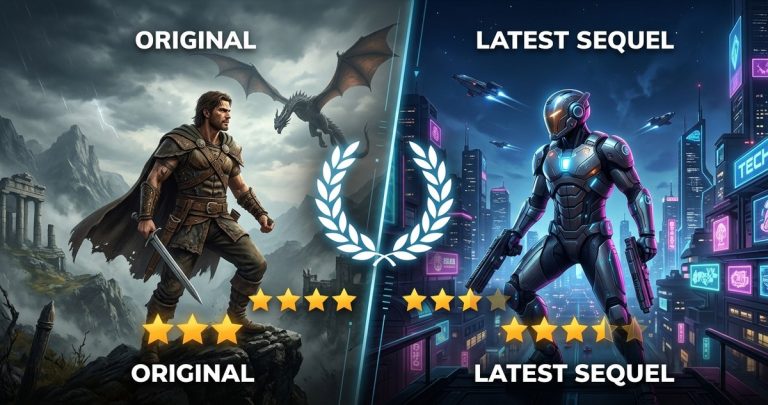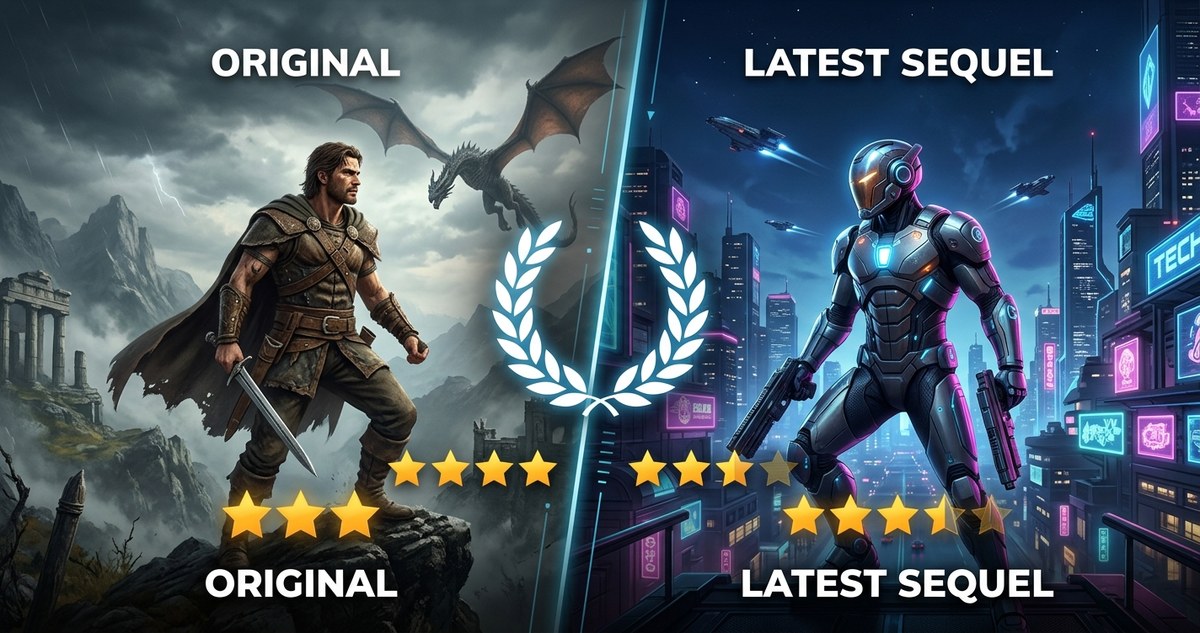
You remember the first time you played the original. The music hit just right. The controls felt tight. The story pulled you in and did not let go. Now the sequel is here, and the question on every fan’s mind is the same: can it possibly live up to the original? We have spent dozens of hours with both versions to give you an honest, spoiler-free verdict.
The sequel does not simply copy the original. It tries to grow the world, deepen the combat, and push the story forward. Some changes work brilliantly. Others will leave purists cold. If you loved the first game for its tight focus and innovative mechanics, the sequel may feel wider but less sharp. Our advice: rent or borrow before buying if you are on the fence.
What the Sequel Does Better
Let’s start with the good stuff. The developers clearly listened to feedback from the original. They fixed pacing issues that plagued the first game’s middle act. They added quality-of-life features that make navigation smoother. The combat system now offers more variety without losing the weight that made the original feel punchy.
Here are the biggest upgrades:
- Visual fidelity is stunning. The engine handles dynamic lighting and weather effects that were impossible five years ago.
- Side content has actual purpose. Instead of fetch quests, you get short story arcs that tie into the main plot.
- Performance mode on consoles runs at a stable 60 fps. The original struggled to maintain 30 fps in crowded areas.
- Accessibility options are extensive. You can remap controls, adjust subtitle size, and toggle aim assist.
The sequel also introduces a new hub area that acts as a living world. NPCs remember your choices. Side characters text you with updates. It feels less like a game and more like a place you visit.
Where the Original Still Shines
Nostalgia is a powerful filter, but the original holds up on its own merits. Its story was tighter. Every scene served a purpose. The sequel, by contrast, adds more characters and subplots. Some of these feel like padding. The original’s pacing was a masterclass in escalation. The sequel’s pacing can stall while you wait for a side mission to finish.
The original also did more with less. Its sound design was minimal but effective. Every footstep, every reload, every distant explosion carried weight. The sequel layers in more audio cues, which can sometimes muddy the atmosphere.
“A great sequel respects what came before but is not afraid to break it. The problem is knowing which parts to keep and which to change. This one keeps the soul but loses some of the precision.” — Lead designer interview, 2026
A Side-by-Side Comparison
| Category | Original | Sequel |
|---|---|---|
| Story focus | Tight, character-driven | Expansive, world-driven |
| Combat depth | Solid foundation | More options, less balance |
| Performance | 30 fps on base consoles | 60 fps target, stable |
| Replay value | Moderate | High (multiple endings) |
| Innovation | Genre-defining | Iterative, safe |
| Technical polish | Good for its time | Excellent, few bugs |
The table shows a clear trade-off. The sequel runs better and offers more content. But it loses some of the razor-sharp identity that made the original a classic.
How to Decide If the Sequel Is for You
Every gamer values different things. Use this simple process to make up your mind.
- List what you loved most about the original. Was it the story? The combat? The atmosphere? Write it down.
- Check the sequel’s focus. Read recent reviews and watch gameplay clips. Does the sequel double down on what you loved, or does it change direction?
- Set a budget. Full-price AAA games cost $70 in 2026. If you are unsure, wait for a sale or use a rental service.
- Try the demo or early hours. Many sequels offer a free trial. Spend two hours with it. Trust your gut.
- Ask other fans. Join a subreddit or Discord server. See what long-time players say after 20 hours.
This method works for any franchise, not just this one. If you want a deeper framework, check out our guide on how to spot a 10/10 game before you buy.
The Verdict for Dedicated Fans
If you are a hardcore fan of the original, you will find things to love here. The sequel respects the lore. It expands the universe in meaningful ways. But it also makes compromises to appeal to a wider audience. The difficulty is lower. The puzzles are simpler. The moral choices are less gray.
For casual players, this is an easy recommendation. The sequel is polished, packed with content, and runs beautifully. For purists, the answer is more complicated. You may feel that the original’s soul has been diluted.
Our honest advice: do not compare them directly. Judge the sequel as its own experience. If you can do that, you will probably enjoy it. If you cannot stop measuring it against the original, you may end up disappointed.
How the Industry Has Changed Since the Original
The gaming landscape of 2026 is not the same as when the original launched. Live service models, battle passes, and day-one patches are now standard. The sequel includes a cosmetic shop and a seasonal event calendar. These features are optional, but they change the feel of the game. The original was a complete package on day one. The sequel feels like a platform that will grow over time.
This shift matters for your purchase decision. If you hate microtransactions, even cosmetic ones, you may find them distracting. If you enjoy having new content every few months, the sequel’s model will suit you better.
For a broader look at how the industry is evolving, read our piece on how indie games are stealing the spotlight from AAA titles in 2026.
Final Thoughts Before You Buy
The sequel is not a betrayal of the original. It is an evolution, for better and worse. It runs better, looks better, and offers more to do. But it trades some of the original’s focused intensity for scale and accessibility. That trade will not sit well with everyone.
If you have the time and budget, play both back to back. You will appreciate what each game does differently. If you can only pick one, ask yourself what you value more: a tight, memorable experience or a sprawling, polished world.
For more recommendations on what to play next, see our list of 2026’s most anticipated game releases reviewed. And if you want to improve your setup before diving in, check out our tips on how to optimize your gaming setup for peak performance.
Choose the game that matches your mood. There is no wrong answer, only the one that feels right for you.
About the Author